

Emotional intelligence is often mislabelled as soft. In reality, it’s one of the smartest tools a leader can have. It involves reading the room, recognising unspoken signals, diffusing tension before it escalates, and building trust that lasts. In today’s environment, emotional intelligence isn’t just an advantage — it’s essential.
Why It Matters Now
Organisations are navigating economic uncertainty, cultural division, and the lingering effects of hybrid work. Employees feel heightened anxiety, isolation, and overwhelm. Leaders who rely solely on strategy and technical skill will underperform. Emotional intelligence sustains leadership effectiveness — maintaining team engagement, loyalty, and alignment during instability.
What Emotional Intelligence Actually Is
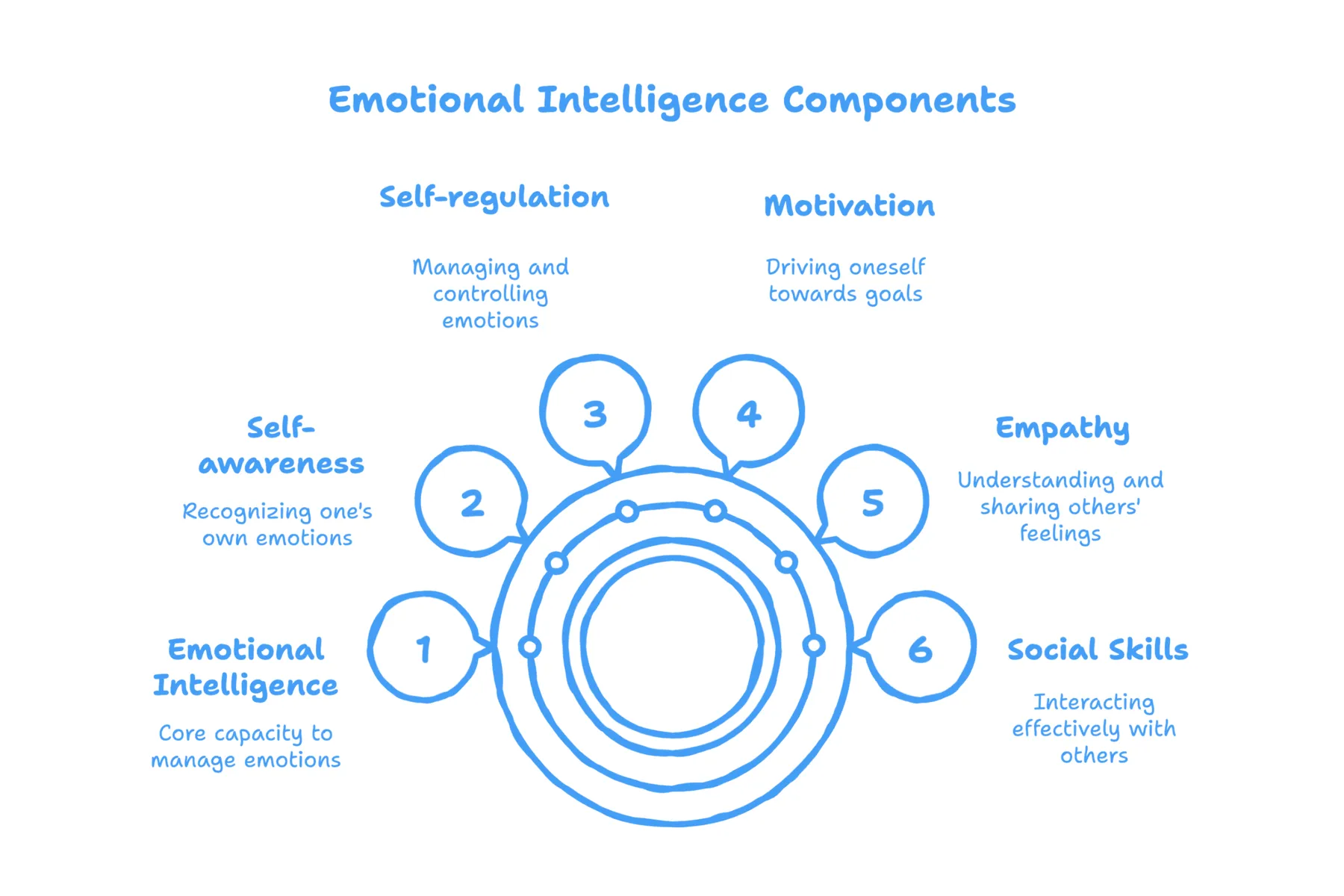
Emotional intelligence is the capacity to recognise, understand, and manage your own emotions while doing the same with others. Five key components: self-awareness, self-regulation, motivation, empathy, and social skills. Unlike IQ — which stays relatively fixed — EQ develops and strengthens over time, making it one of the most powerful growth areas for leaders.
What People Expect From Leaders
Employees today expect more than compensation. They want meaningful work, respect, and leaders who genuinely care about their wellbeing. Leaders lacking emotional intelligence lose trust, credibility, and talented people. Leaders who demonstrate emotional steadiness, empathy, and authentic connection inspire loyalty and build cultures that endure through change.
Two Truths
Business intelligence earns you a seat at the table — knowing the numbers, markets, and strategy. Emotional intelligence lets you keep that seat and lead effectively. Leaders who combine both are not only effective — they’re memorable.
Business intelligence gets you into the room. Emotional intelligence keeps you there. Leaders who develop both turn uncertainty into trust and plans into lasting results.