

Trust in leadership does not grow from communication alone. It grows from understanding. Leaders communicate constantly — updates, meetings, announcements — yet teams often interpret these messages differently, creating misalignment.
Clarity Creates Shared Meaning
When communication is clear, teams describe priorities using similar language and understand how their work contributes to organisational goals. Without clarity, messages travel across the organisation but fragment as people interpret them through their own assumptions.
When Messages Don’t Land
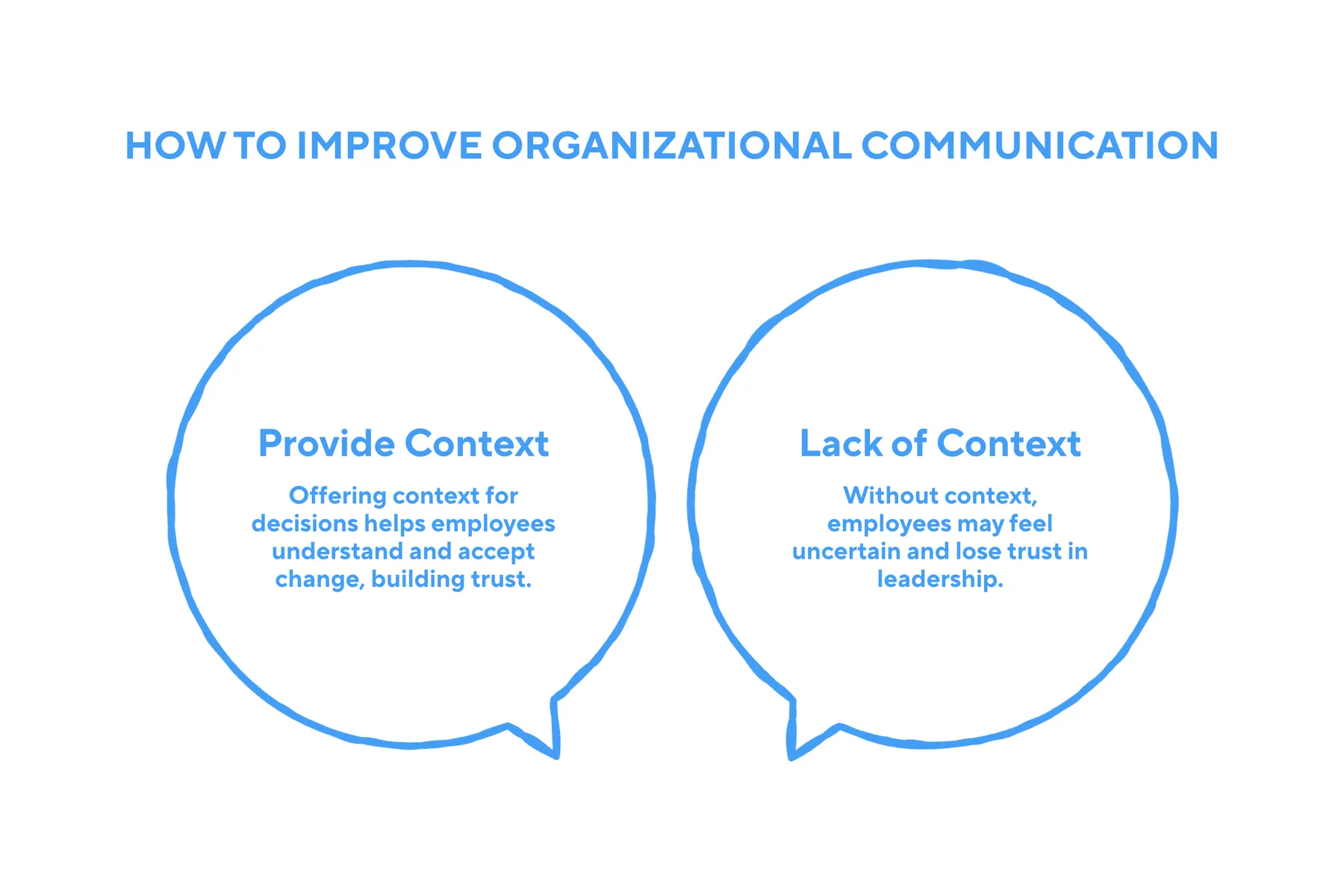
Organisations measure communication through activities like town halls and surveys, but these don’t necessarily reveal understanding. Missing context around decisions creates uncertainty that quietly erodes trust.
Clarity Signals Competence
Clear, simple communication suggests thoughtful decision-making. Ambiguous priorities signal that leadership may lack understanding of its own strategy. People notice. And they draw conclusions.
Turning Clarity Into Trust
Leaders build clarity by:
- Defining priorities before announcing them
- Explaining the reasoning behind decisions
- Connecting strategy to daily work
- Repeating messages until shared understanding develops
People trust leaders who make the direction clear enough for everyone to move forward together.